
Episode 327: Learning Differences And Emotional Well-Being Aren't Separate, and Here's Why
It's easy to view academic difficulties and mental health challenges as two separate issues when a child struggles. However, the emotional toll of an unaddressed learning difference often leads to chronic anxiety, low self-esteem, and a loss of motivation. Dr. Karen Wilson is a pediatric neuropsychologist and the host of the Diverse Thinking-Different Learning Podcast, and she joins Emily this week to talk about the deep overlap between learning differences and emotional well-being.
TAKEAWAYS
Learning differences and mental health challenges are deeply connected, with neurodivergent kids experiencing higher rates of anxiety and depression than the general population.
Kids notice and internalize daily academic struggles long before an official diagnosis, often assuming their difficulties are signs of personal flaws rather than a neurodivergent profile.
Chronic academic often undermines motivation by breaking the expected relationship between hard work and successful outcomes.
Evaluating whether anxiety or an executive functioning difference came first requires building a clear developmental timeline through family and academic histories.
Complex tasks like writing demand a high executive functioning load, requiring students to juggle task initiation, working memory, organization, and emotional regulation all at once.
Long-term independence often requires pairing classroom accommodations with explicit skill building and self-advocacy training, so students can understand themselves and self-advocate.
The Neurodiversity Podcast Advocacy & Support Group is ready for you! Join us now.
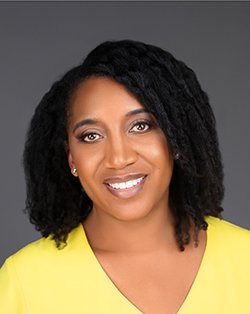
Dr. Karen Wilson is a pediatric neuropsychologist specializing in the intersection of learning, mental health, and identity in children and adolescents who learn and think differently. With over 20 years of clinical, academic, and research experience, including faculty and training roles at UCLA, she brings deep expertise in neurodevelopment, executive functioning, and comprehensive assessment across diverse populations.
Dr. Wilson’s work is grounded in a neurodiversity-affirming, equity-focused approach that considers how social, cultural, and systemic factors shape the identification and support of neurodivergent learners. She is the host of the Diverse Thinking · Different Learning podcast and an expert with Understood.org, where she translates complex neuropsychological concepts into practical strategies. Her work helps families, educators, and organizations move beyond labels to better understand and support the whole child.
BACKGROUND READING
Diverse Thinking Different Learning Podcast, Instagram, LinkedIn
The Neurodiversity Podcast is on Facebook, Instagram, BlueSky, and you’re invited to join our Facebook Group. For more information go to www.NeurodiversityPodcast.com
If you'd like members of your organization, school district, or company to know more about the subjects discussed on our podcast, Emily Kircher-Morris provides keynote addresses, workshops, and training sessions worldwide, in-person or virtually. You can choose from a list of established presentations, or work with Emily to develop a custom talk to fit your unique situation. To learn more, visit our website.