
Episode 328: Neurodivergent Capacity: Why Can They Do It Sometimes But Not Every Time?
When supporting neurodivergent kids, adults often struggle to balance when to gently challenge a child and when to pull back to prevent nervous system overload. Pushing too hard risks chronic distress and shutdown, but overprotecting can unintentionally create learned helplessness and limit opportunities for growth. Emily welcomes Dr. Emily King, a child psychologist, former school psychologist, and author of The Neurodivergent Learner, to talk about how parents and educators can work together to read a child's true capacity and build authentic engagement in school and at home.
TAKEAWAYS
Determining whether to challenge or accommodate a student depends on reading their real-time nervous system capacity, daily stamina, and baseline emotional regulation.
Distinguishing between learned helplessness and true defeat requires looking at a child's underlying mood rather than just their surface-level task avoidance.
Differences in how a child behaves at home versus school provide important clues about their masking demands, relationship safety, and sensory fatigue across environments.
Meaningful parent-teacher partnerships focus on cross-checking patterns and discovering what already works in one setting to replicate that success in another.
Special interests should be honored as tools for genuine emotional expression and connection rather than used as behavioral leverage to force compliance.
Effective school advocacy thrives on frequent, informal check-ins about everyday strategies rather than waiting solely for formal annual meetings.
Get the pre-order bonus for Dr. King's new book.
Mental health clinicians: Telling a child about a new diagnosis can feel like navigating a minefield, but it doesn’t have to. We’re hosting a training with Dr. Liz Angoff, called Explaining a Diagnosis to Kids in a Neurodiversity-Affirming Way, on Friday, September 11th from 2:00 to 3:30 Eastern. The course is worth 1.5 continuing education hours, and is approved through both the APA and NBCC.
You’ll learn how to replace pathologizing jargon with empowering, neurodiversity-affirming language that builds self-advocacy and resilience. Register for this course today.
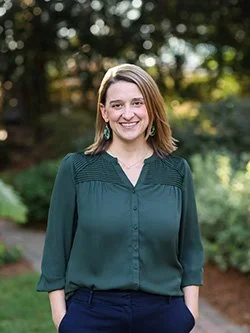
Dr. Emily King is a child psychologist with more than 20 years of experience supporting neurodivergent learners and their families. She earned her Ph.D. in School Psychology from the University of North Carolina at Chapel Hill and began her career providing school-based mental health services in K–12 public schools in Houston, Texas. She now works in private practice in North Carolina, specializing in the mental health, executive functioning, and social-emotional needs of neurodivergent youth.
Dr. Emily is the creator of The Neurodiverse Classroom®, a professional development curriculum for educators, and the author of The Neurodivergent Learner. She also hosts Learn with Dr. Emily on Substack, where she shares parent workshops, resources, and practical strategies to help families and educators better support neurodivergent children and teens.
BACKGROUND READING
Instagram, Facebook, YouTube, Emily’s new book
The Neurodiversity Podcast is on Facebook, Instagram, BlueSky, and you’re invited to join our Facebook Group. For more information go to www.NeurodiversityPodcast.com
If you'd like members of your organization, school district, or company to know more about the subjects discussed on our podcast, Emily Kircher-Morris provides keynote addresses, workshops, and training sessions worldwide, in-person or virtually. You can choose from a list of established presentations, or work with Emily to develop a custom talk to fit your unique situation. To learn more, visit our website.