
Episode 313: Interoception Is a Sense Few Understand
Interoception plays a pivotal role in how all people perceive and engage with their bodies and the world around them. For neurodivergent people, the differences we experience in interoception can have a bigger effect than we might expect. From the very sensation of 'feeling our feelings,' to the day-to-day experiences and potential supports for those with variations in their interoceptive system, we dig into the subject with Dr. Kelly Mahler, an occupational therapist and professor at Elizabethtown University. How well do we truly understand interoception, and how does it influence those who process it differently? Plus lots more, on this reprise conversation, episode 313.
Late-diagnosed neurodivergent adults are frequently missed in clinical settings because their presentations - often masked by high intellect, outward compliance, or severe perfectionism - fail to match traditional diagnostic expectations. Join Emily Kircher-Morris on May 1st for a targeted continuing education training designed to equip mental health professionals with the updated frameworks necessary to identify and support this population. This session covers the clinical complexities of burnout, masking, and the internalized stigma that accompanies late identification. Earn 1.5 APA and NBCC-approved CE hours (available live or via recorded independent study) by registering at neurodiversity.university or clicking here.
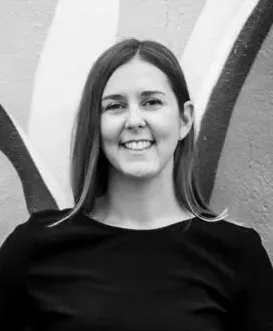
Kelly Mahler is an occupational therapist who has served both school-aged children and adults for the last 20 years. She earned a Doctorate in Occupational Therapy from Misericordia University in Dallas, PA, and has won multiple awards, including the 2020 American Occupational Therapy Association Emerging and Innovative Practice Award & a Mom’s Choice Gold Medal. Kelly is an adjunct faculty member at Elizabethtown College as well as at Misericordia University, and is a co-principal investigator in several research projects pertaining to topics such as interoception, self-regulation, trauma & autism.
BACKGROUND READING
Kelly’s website, Facebook group, Instagram, Twitter/X, YouTube
The Neurodiversity Podcast is on Facebook, Instagram, BlueSky, and you’re invited to join our Facebook Group. For more information go to www.NeurodiversityPodcast.com.
If you'd like members of your organization, school district, or company to know more about the subjects discussed on our podcast, Emily Kircher-Morris provides keynote addresses, workshops, and training sessions worldwide, in-person or virtually. You can choose from a list of established presentations, or work with Emily to develop a custom talk to fit your unique situation. To learn more, visit our website.