
Episode 338: The Social Detective: Moving Beyond Prescriptive Communication Skills
When someone struggles in a group conversation or misses the unspoken cues of a classroom or workplace, the solution isn't giving them a prescriptive checklist of social rules and expecting them to fit in. For years, traditional interventions leaned heavily on teaching people what to do and say, while often overlooking whether those expectations made sense to the person living them.
Michelle Garcia Winner, speech-language pathologist and founder of Social Thinking, joins Emily Kircher-Morris to discuss how feedback from the neurodivergent community has reshaped her approach to social learning. The conversation explores why social problem-solving is about figuring out dynamic situations rather than memorizing scripts, how high-structure roles can mask deeper relational challenges, and why genuine support always starts by getting the other person's point of view.
TAKEAWAYS
Effective social learning focuses on helping people interpret specific situations and intentions.
Real-world social problem-solving requires a continuous process of attending to context, interpreting what is happening, and deciding on a response based on personal goals.
Fidgets and sensory tools support focus when used in an unobtrusive way, but they turn into distractors when they draw attention away from the group's shared purpose.
Stepping back to observe a social environment from the outside helps people identify unspoken dynamics without the immediate pressure of participating in them.
Many neurodivergent people thrive in structured professional roles where expectations are explicit, yet struggle in family or community settings where social boundaries are fluid.
Conducting a virtual autism evaluation isn't as simple as moving in-person assessments onto Zoom. On Friday, November 6th from 2:00 PM-3:30 PM Eastern / 11:00 AM-12:30 PM Pacific, join us as Dr. Taylor Day presents a live, 90-minute training, Conducting Comprehensive Telehealth Evaluations for Autism and Co-Occurring Conditions. You'll earn 1.5 CE credits through the APA and NBCC, while learning practical, neurodiversity-affirming strategies for virtual assessment. Register at this link by November 2nd to receive a free bonus resource guide with planning checklists and client materials!
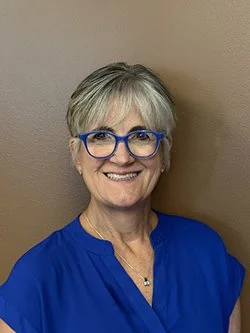
Michelle Garcia Winner, MA, CCC-SLP, is the founder and CEO of Social Thinking and a globally recognized thought leader, author, speaker, and social-cognitive therapist. She is dedicated to helping neurodivergent and neurotypical people of all ages (starting at 4 years old) meet their social goals through better understanding of social emotional concepts, increase the development of their social competencies, learn strategies for social problem solving and executive.
BACKGROUND READING
Michelle’s website, Instagram, LinkedIn, YouTube
The Neurodiversity Podcast is on Facebook, Instagram, BlueSky, and you’re invited to join our Facebook Group. For more information go to www.NeurodiversityPodcast.com
If you'd like members of your organization, school district, or company to know more about the subjects discussed on our podcast, Emily Kircher-Morris provides keynote addresses, workshops, and training sessions worldwide, in-person or virtually. You can choose from a list of established presentations, or work with Emily to develop a custom talk to fit your unique situation. To learn more, visit our website.
Thank you for supporting neurodivergent people.