
Episode 318: Waiting for Sleep: Chronobiology and Neurodivergence
When a neurodivergent child or teen struggles with daytime focus, emotional volatility, or low frustration tolerance, caregivers naturally look for behavioral or psychological explanations. However, chronic sleep deprivation frequently hides behind these daytime struggles, acting as an unseen amplifier for executive dysfunction and sensory overload.
Dr. Melisa Moore, a clinical psychologist and board-certified behavioral sleep medicine specialist at Rady Children's Health San Diego, joins Emily Kircher-Morris to reframe sleep not as an isolated nighttime issue, but as a continuous 24-hour biological reality deeply intertwined with neurodivergence. They talk about specific genetic, chronobiological, and comorbid factors that cause sleep disorders, the structural differences in adolescent circadian rhythms, and methods to address bedtime sensory traps.
TAKEAWAYS
Neurodivergent individuals experience higher rates of sleep disorders due to shared genetic roots, co-occurring medical conditions, and baseline variations in biological clocks.
ADHDers often experience a natural circadian rhythm delay of up to two hours, while autistic people often possess highly inconsistent circadian patterns from night to night.
Daytime sleepiness in younger children rarely presents as lethargy and instead as hyperactivity, increased irritability, dysregulation, and an increased use of negative emotion words.
Shifting the bedtime linguistic framework from "trying to sleep" to "waiting for sleep to arrive" reduces cognitive pressure and lowers physiological alertness.
Underlying physiological issues like obstructive sleep apnea or periodic limb movement disorder directly mimic or exacerbate the core diagnostic criteria of ADHD, including severe inattention and social friction.
Perfectionism can be difficult to identify in therapy, and once identified, still very difficult to overcome. If you're a mental health professional, join us for Overcoming Perfectionism in Therapy: Supporting Neurodivergent Clients Who Keep Moving the Finish Line. Matt Zakreski will present this 1.5 hour continuing education course on June 5th at 1:00 pm Central, and if you can't join us live, that's okay. The video will be available afterward for anyone who registers, and either version is APA and NBCC approved for 1.5 hours of continuing education credit. Register now or learn more at this link, or just go to neurodiversity.university.
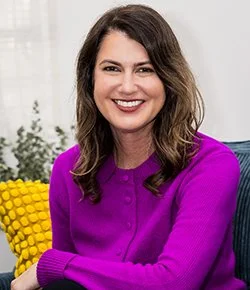
Dr. Melisa Moore, PhD is a clinical psychologist and board-certified behavioral sleep medicine specialist who focuses on sleep and mood challenges in children, teens, and young adults. She works at the sleep center at Rady Children’s Health San Diego and also provides care through her private practice, supporting clients across the country with a specialization in neurodiversity.
Dr. Moore is the author of The Good Sleep Guide for Neurodivergent Kids, offering practical, research-informed strategies to help families improve sleep in ways that are both effective and affirming.
BACKGROUND READING
Melisa’s website, Instagram, Facebook, LinkedIn
The Neurodiversity Podcast is on Facebook, Instagram, BlueSky, and you’re invited to join our Facebook Group. For more information go to www.NeurodiversityPodcast.com
If you'd like members of your organization, school district, or company to know more about the subjects discussed on our podcast, Emily Kircher-Morris provides keynote addresses, workshops, and training sessions worldwide, in-person or virtually. You can choose from a list of established presentations, or work with Emily to develop a custom talk to fit your unique situation. To learn more, visit our website.