
Why Interests Are Identity: Rethinking Motivation for Autistic and 2e People
Parents and teachers spend a lot of energy trying to motivate neurodivergent kids to care about schoolwork and daily tasks, often leaning on sticker charts, rewards, or consequences to get them moving. Yet those same kids can spend hours deeply absorbed in a favorite subject without anyone needing to push them. Dr. Callie Turk, co-founder of REEL and parent of neurodivergent kids, joins Emily Kircher-Morris to talk about why special interests are not distractions to manage, they are central to a child's identity, confidence, and sense of belonging. They discuss why separating content from process gives students real ownership over their learning, why using a favorite activity as a reward often backfires, and how leaning into what kids already love sets them up for long-term well-being.
TAKEAWAYS
For many autistic and twice-exceptional learners, deep interests aren't just casual hobbies, they're often tied directly to personal identity.
Using a child's favorite activity as a reward for finishing a difficult task adds anxiety to the task and undermines genuine engagement.
Separating content standards from process standards allows educators to offer meaningful choices in how students learn and demonstrate what they know.
Inviting students to collaborate on how their interests fit into an assignment prevents adults from accidentally co-opting what kids love.
Validating and encouraging a young person's passions protects against internalized shame and builds confidence for adulthood.
Mental health professionals, Join Emily Kircher-Morris on December 4th for a 90-minute continuing education training session, When Autism Doesn't Look Like You Expect, where we'll be exploring the less obvious ways autism can present in therapy, especially when masked by co-occurring anxiety, ADHD, or giftedness. We're approved to offer formal CEs for both the American Psychological Association and National Board of Certified Counselors, and this training is approved for 1.5 credits. We'll include a bonus clinical resource guide when you register early. Sign up now!
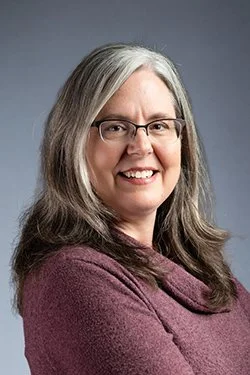
Dr. Callie Turk is the Co-Founder of REEL, a San Francisco Bay Area nonprofit organization that supports neurodivergent, twice-exceptional learners by supporting their families and educators with research-based, practical programming and resources to help them thrive in school and life. Through REEL, she has supported thousands of educators through partnerships with local schools and teacher preparation programs.
Callie draws on her 15-plus year career working with ed tech companies at the cutting edge of educator professional learning. She has presented at numerous national and regional venues, including CUNY’s Neurodiversity Conference, NAGC (National Association for Gifted Children), SENG (Supporting Emotional Needs of the Gifted), CEC (Council for Exceptional Children), and the California Inclusion Collaborative.
Callie received her BS from Miami University (Ohio), MBA from Stanford University, and a Doctorate in Education from Elmbridge University.
BACKGROUND READING
Reel2e website, Facebook, Instagram, LinkedIn
The Neurodiversity Podcast is on Facebook, Instagram, BlueSky, and you’re invited to join our Facebook Group. For more information go to www.NeurodiversityPodcast.com
If you'd like members of your organization, school district, or company to know more about the subjects discussed on our podcast, Emily Kircher-Morris provides keynote addresses, workshops, and training sessions worldwide, in-person or virtually. You can choose from a list of established presentations, or work with Emily to develop a custom talk to fit your unique situation. To learn more, visit our website.
Thank you for supporting neurodivergent people.