
Episode 335: Why Universal Classrooms Work, and Conventional Ones Often Don't
True classroom inclusion involves far more than simply placing a student's chair inside a general education room. When schools define inclusion purely by physical placement, neurodivergent students often face conditions that fall short of genuine access, belonging, and appropriate challenge. Dr. Katie Novak, an internationally recognized education consultant, former assistant superintendent, and author of The UDL Shift, joins Emily Kircher-Morris to discuss how Universal Design for Learning creates classrooms that support learner variability from the ground up.
TAKEAWAYS
Physical placement in a general education classroom does not equal meaningful inclusion and a genuine sense of belonging.
Universal Design for Learning operates on three foundational pillars: embracing learner variability, establishing firm goals with flexible means, and cultivating student agency.
Gating learning tools behind formal diagnosis plans creates stereotype threats, and causes students to reject accommodations to avoid looking different from their peers.
Designing flexible learning paths for the entire class normalizes tools like text-to-speech, graphic organizers, and verbal response options for every student.
Educational variability is contextual and dynamic, meaning a student’s strengths and support needs fluctuate across subjects, environments, and energy levels.
Designing effective accommodations should actually start with asking students what classroom barriers stand in their way, and involving them in the solution.
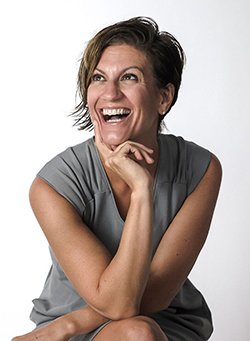
Dr. Katie Novak is the founder and CEO of Novak Educational Consulting, an educator with 25 years of experience, and an internationally recognized expert in Universal Design for Learning (UDL) and Multi-Tiered Systems of Support (MTSS). A sought-after keynote speaker and consultant, she works with schools and districts around the world to translate research into practical strategies that strengthen inclusive teaching and learning.
Dr. Novak is the bestselling author of 17 books, with more than 350,000 copies sold worldwide, and serves as an adjunct instructor at the University of Pennsylvania. Through her writing, teaching, and consulting, she helps educators navigate complex challenges, move from intention to implementation, and create learning environments designed to support the needs of all students.
BACKGROUND READING
Katie’s website, Facebook, YouTube, Instagram
The Neurodiversity Podcast is on Facebook, Instagram, BlueSky, and you’re invited to join our Facebook Group. For more information go to www.NeurodiversityPodcast.com
If you'd like members of your organization, school district, or company to know more about the subjects discussed on our podcast, Emily Kircher-Morris provides keynote addresses, workshops, and training sessions worldwide, in-person or virtually. You can choose from a list of established presentations, or work with Emily to develop a custom talk to fit your unique situation. To learn more, visit our website.
Thank you for supporting neurodivergent people.